With summer in full swing, Nottinghamshire is hosting a treasure trove of heritage events this August. Whether you're looking for some family fun or looking to learn something new, there will be something for you! Check out our list of the events below:

Throughout August: Join National Trust volunteers in the Master's Office of the Workhouse and Infirmary ‘to learn all about the conservation threats they face, the specialised tools and techniques they use to manage them, and how they record their work to ensure high standards’. Sessions include ‘Completing Record of Monitoring & Plan of Care paperwork’, ‘Conservation window cleaning’, ‘Object marking project’, and ‘Conservation cleaning: vaccuming’. These are free drop-in sessions and booking is not required. For more information, visit the event page here.

Saturday 2nd and Sunday 3rd August: The Robin Hood Festival is back again this year at Sherwood Forest to celebrate our beloved legendary figure. Come to 'enjoy spectacular jousting displays, hand-to-hand combat demonstrations, historical re-enactment and much, much more'. Although this wonderful festival spans multiple weekends, this is the only weekend that you will be able to watch the jousting. Booking is not required, but a parking fee of £15 is in place. For more information, visit the event page here.

Saturday 9th and Sunday 10th August: ‘Step back in time and experience the Ice Age’ at Creswell Crags. ‘Can you hunt for bison, light a fire or feed your tribe? Find out as you bring the Ice Age to life’ in their ‘Step into the Ice Age: Hands on Prehistory’ event. There are lots of fun activity to have a go at, including archaeological dig boxes, shelter building, cave art drawings, mammoth poo flinging and rhino horn Hoopla! There are Early Bird booking discounts if you book before 1st August (£7 per adult, £6 per child). Book your place here.

Monday 11th to Friday 15th August: Also at Creswell Crags, ‘learn how creatures that lived millions of years ago became fossils, and make your own salt dough “rocks” with real fossil imprints. Perfect for those fascinated by life on Earth long before the last Ice Age!’ Tickets cost £5, adults/carers accompany for free, and booking is required. For more information and to book your place, click here.

Saturday 16th August: Head to Sherwood Forest to ‘join William De Tankerville, The Sheriff of Nottingham’s Master at Arms, as he takes you on a tour of the majestic Greenwood, sharing stories of medieval life and the villainous Robin Hood’. ‘This walk will take you on a journey through the forest, hearing the tales of its most legendary inhabitant and medieval life’. Tickets cost £9 per non-member adult and £5 per non-member adult (member discounts apply) and booking is required. Book your place here. And if you can't make the 16th, there same event will be ran on the 30th August.
Photo of a hyena skull

Above: Hyena skull found at Creswell Crags. By Enchufla Con Clave (Own work), CC BY-SA 4.0

Monday 18th to 22nd Friday August: Another event at Creswell Crags this August will allow you to explore ‘Stylish Stone Age Fashion’! ‘Join a Stone Age guide to learn all about the clothes, jewellery and decorations that people may have worn at Creswell Crags during the last Ice Age. Have a go at making your own Stone Age leather wristband, and even have your face painted, Stone Age style!’ Tickets cost £5 per child, accompanying adults/carers go free, booking is required. Book your place here.

Saturday 23rd to Monday 25th August: The Grand Finale of the Robin Hood Festival at Sherwood Forest commences. Combat displays, falconry, medieval stories and activities like archery await you. Booking is not required but a parking fee of £15 is in place. For more information, visit the event page here.
Monday 25th August: ‘Join archaeologist, historian and broadcaster, Dr Simon Elliott online, as he recounts his archaeological adventures around the world.’ ‘Dr Simon Elliott FSA is an award winning and best-selling archaeologist, historian and broadcaster. He has written 21 books on classical world and archaeological themes, frequently appears on broadcast and social media as a presenter and expert, and is a Fellow of the Society of Antiquaries…He is currently engaged in three major archaeological research programmes. One of these is focused on the local region’. This online talk, in association with Creswell Crags, is free (donations welcome) but booking is required. Book your free place here.

Monday 25th to Thursday 28th August: A final August archaeology workshop at Creswell Crags, ‘Archaeology Adventure’, gives you the chance to ‘become an archaeologist and excavate a mystery time period. Use your detective skills to work out when the artefacts in your trench are from, and design your own mini museum to show them in!’ Tickets cost £5 per person, accompanying adults/carers go free and booking is required. Book your place here.

Saturday 30th August: ‘Found a mysterious object?’ Head to Mansfield Museum to meet the Finds Liaison Officer for Nottinghamshire and Derbyshire, and ‘get professional insight into your discovery and help piece together the puzzle of our local past’. ‘Whether you're a metal detectorist, dog walker, gardener, or history enthusiast, if you've stumbled upon an intriguing find—bring it along to Mansfield Museum for expert identification’. This event is free but booking is required. For more information and to book your place, visit the event website here.

When you’re out and about in Nottinghamshire, keep an eye out for distinctive patterns of brickwork that can occur on historic buildings. It’s easy to spot different types of bond brickwork once you know how!

Bond brickwork was popular in Georgian architecture, but the use of these brick patterns is not restricted to this era. It often involves alternating the laying of header and stretcher bricks to form a pattern on the building’s façade. In more simple terms, some bricks are laid out lengthwise, so the long side of the brick is visible (stretchers), and others are laid out with their shorter ends exposed (headers) to produce a visible pattern in the building’s brickwork.

Sometimes treated bricks, ones that have been glazed or burnt to change the appearance/colour, are used to emphasise the pattern.

Illustration of brick sides

Above: Faces of a brick. By Mtpanchal - Own work, CC BY-SA 4.0.

There are many different styles of bond brickwork but  you may notice that some styles are more common than others in the area. Sadly some buildings sporting these beautiful brickwork patterns will have been demolished or altered over time. 

Here are some of the bonds you might be able to spot on some Nottinghamshire buildings:

1. Flemish Bonds: This style uses alternating header and stretcher bricks within the same courses (rows). Despite the name, this style is not Flemish in origin and examples can be found in England from around the 17th century. This bond is difficult pattern to lay and often requires a high skill to lay it well as all the joints must be aligned perfectly.

Examples of Flemish bonds: Cotton Mill Cottage in Farnsfield, Farm Buildings at Lilac Farmhouse in Laxton, and Moors Farm in Askham.

Diagram of a Flemish bond wall

Above: Flemish bond wall (headers are dark brown). By Jonathan Riley - Own work, CC BY-SA 3.0

2. English Bonds: This style has alternating courses of headers and stretchers. This is one of the strongest types of bond, but to achieve this pattern, more bricks are required than for some other bond patterns.

Examples of English bonds: Bridge over the Nottingham Canal in Awsworth, Bunny School House in Bunny, and the Manor House in Walkeringham.

Diagram of an English bond wall

Above: English bond wall. By Jonathan Riley - Own work, CC BY-SA 3.0.

3. English Garden Wall Bond: This style is similar to the English bond pattern, but instead of one course of headers and one course of stretchers, the English Garden Wall bond style features multiple courses of stretcher bricks (commonly three courses) and one course of header bricks in a sequence.

Examples of English Garden Wall bond: Farm Buildings at Home Farm in Beckingham, 5-7 Main Street in Linby, and Threshing Barn at Yew Tree Farm in North Leverton.

Diagram of a raking English Garden Wall bond wall

Above: A raking English Garden Wall bond wall. By Jonathan Riley - Own work, CC BY-SA 3.0.

4. Header Bond: One of the simpler types of brickwork, this style consists entirely of headers across all courses. Due to its simple structure, it’s an easy pattern to lay that doesn’t always require a skilled brick layer.

Example of Header bond: Farndon Mill in Farndon.

Diagram of a Header bond wall

Above: Header wall. By Jonathan Riley - Own work, CC BY-SA 3.0.

5. Stretcher bond: Similarly, stretcher bonds are courses made up of entirely stretcher side bricks. This style is generally considered relatively weak and often requires structural support to retain the integrity of the wall.

Example of Stretcher bond: Rose Cottage in Farnsfield and Beech Cottage in Barnby in the Willow

Diagram of a Stretcher bond wall

Above: Stretcher wall. By Jonathan Riley - Own work, CC BY-SA 3.0.

So many exciting heritage events are happening this July! Whether you're looking for an educational talk, a nostalgic walk down memory lane, or something action-packed to do with the kids, there's something for you. Check out just some of the many things happening in Nottinghamshire below:

Throughout July: The D.H. Lawrence Museum is hosting their new exhibition ‘Broxtowe: A Journey Through History and Custom’. This exhibition ‘explores the rich and evolving story of this vibrant borough from 1945 to the present day’ through a ‘curated collection of photographs’. ‘From the rebuilding efforts following World War II to the rise of modern urban development, [they aim to] trace the borough’s journey, not only through the physical changes in the landscape but also the stories of its people – how their customs, lifestyles, and sense of community have adapted and thrived’. Booking is not required. For more information, visit the event page here.
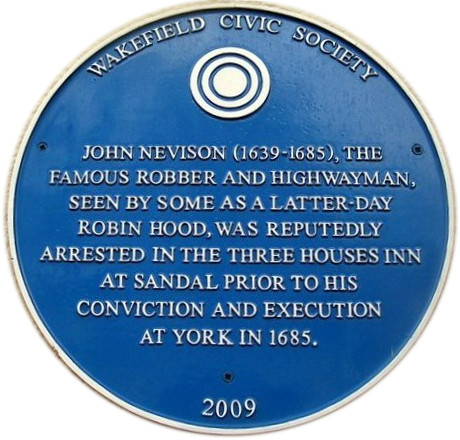
Thursday 3rd July: At the Lakeside Arts, join Dr Sophia Adams, Curator at the British Museum, as they examine the significance of ponies in Iron Age Britain. The talk ‘Vibrant Vestiges of Vehicles’ will explore the role of vehicles and the skills of Iron Age craftsworkers through archaeological evidence. Tickets cost up to £3 per person and booking is required. Book your place here.

Friday 11th July: Celebrate Mining Heritage Day at Eastwood Library to commemorate the 40th anniversary of the closure of Moorgreen Colliery. You will be able to view mining photographs and memorabilia from wonderful local historians and heritage groups such as Inspire’s heritage team, the D.H. Lawrence Museum, The Hidden Valley Poets and much more. Booking is not required. For more information, view the event page here.

Tuesday 15th July: Nottinghamshire Archives will be hosting the talk ‘WW2: Hone Front in Nottinghamshire’. ‘In the workplace, women took the jobs of absent men, and the county played host to evacuees from more vulnerable centres. Communities showed an increase in neighbourliness and comradeship. Almost everyone was encouraged to become involved in the war effort, no matter how small their input. Attendees to this talk will have the chance to view and handle local records, to show how family life was transformed through rationing, air raids and the daily blackout. While crucial battles were being fought in Egypt or Normandy, ordinary people were concerned with changes to everyday life, such as worn-out clothes, digging for victory and preparing for possible invasion’. Tickets cost £6 and booking is required. Book your place here.

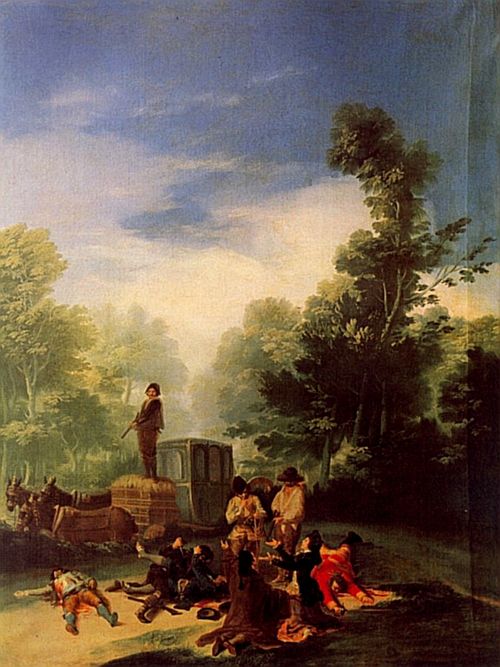
Wednesday 16th July: At Beeston Library, join local historian Sam Millard as they explore the story of ‘a violent clash between poachers and gamekeepers on the Rufford Abbey estate’. This talk will explore what happened and whether those involved were rogues, vagabonds or heroes. Tickets cost £3 per person and booking is required. Book your place here.

Saturday 19th July – Thursday 7th August: ‘This year, Nottinghamshire celebrates the 80th Anniversary of the ending of the Second World War with Victory Nottinghamshire, an exhibition showcasing the war effort made by those on the home front and frontlines. From the darkest days of the Nottingham Blitz to playing its part in training the aviators of Bomber Command, Victory Nottinghamshire tells the story of the people and county of Nottinghamshire and how they helped the Allies achieve victory. Included is the story of the unique Home Guards Patrol Boats to the bravery of the Boots George Cross medal winners, as well as American Paratroopers and Bevin Boys; this exhibition will give visitors an insight into how all came together and played a vital role in the allied victory’. This exhibition at Worksop Library is free and booking is not required. For more information, visit the event page here.
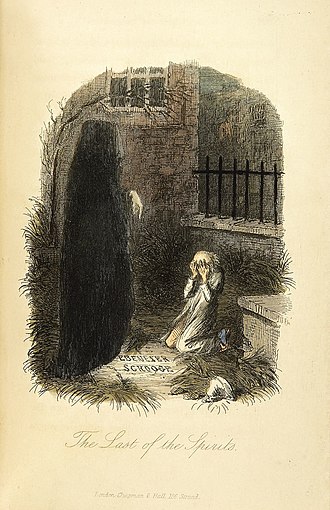
Saturday 19th July - Tuesday 2nd September: ‘Step into the past with Rufford’s Time Travel Trail’ at Rufford Abbey! ‘Travel through the centuries as you explore the park, meeting characters from different eras along the way. You might bump into a Victorian lady out for a stroll, a daring pirate guarding hidden treasure, a noble knight, or even a figure from ancient times’. Trail sheets cost £3 per person and can be picked up from the Courtyard Gift Shop. For more information, visit the event page here.
Sunday 20th July: Join Alison Milbank, Professor Emeritus of Theology and Literature at the University of Nottingham, at Southwell Minster for the talk ‘Maid Marian: From Religious Icon to Maid Marian and her Merry Men’. Booking is not required. For more information, visit the event page here.

Image of a Roman dodecahedron

Above: Roman dodecahedron in bronze. By Gallo Romeins MuseumPublic Domain.

Opening Friday 25th July: Open until January 2026, the University of Nottingham Museum is hosting the exhibition ‘The Norton Disney Dodecahedron’, ‘looking at the last two years of excavations at Norton Disney and the current understanding of dodecahedra’. Learn about the two year excavation of the Roman villa and the rare Gallo Roman dodecahedron. This event is free, and booking is not required. For more information, visit the event page here.

Saturday 26th July: Head to the Lakeside Arts to join them for their Roman themed Festival Archaeology to celebrate the opening of their new ‘Norton Disney Dodecahedron’ exhibition (see event above). ‘The Norton Disney History and Archaeology Group will join us to discuss their excavations and bring some finds from the site. The Finds Liaison Officer for Derbyshire and Nottinghamshire will also join us on the day showing a variety of Roman finds from the region. There will also be the opportunity to see the Museums Roman Samian pottery collection and find out more about it. Young visitors can also take part in Roman themed craft activities to take away’. This event is free, and booking is not required. For more information, visit the event page here.

Sunday 27th July: Join presenter, author and archaeologist John-Henry Phillips at the National Holocaust Museum to explore the ‘Archaeology of Romany Gypsies’. ‘This talk covers the history of Romany Gypsies in the UK, the forgotten Romany heritage we can still see all around us, and the fascinating discoveries made as part of a truly unique excavation of an untold corner of history’. Tickets cost up to £10 per person (concessions apply) and booking is required. Book your place here.

Tuesday 29th July: Head to Southwell Minster for a Robin Hood Family Fun Day! ‘Meet the legendary Robin Hood, take part in exciting games, crafts, and activities. There’s a fantastic mix of free and paid activities plus refreshments’. This event is free, but donations are welcome. Booking is not required. For more information, visit the event page here.

Tuesday 29th July – Friday 29th August: ‘This summer, join Robin Hood and Lady Marian for an archery adventure in the heart of Sherwood Forest. This exciting family activity is an opportunity to learn all about Medieval archery and receive private tuition from this legendary couple’. Private 1-hour sessions cost £50 per family (2 adults, 2 children – additional children may be added). Booking is required. Book your place here.

This wonderful articles comes from our Summer 1999 Heritage Newsletter:

The summer months are an appropriate time to catalogue the air photograph collection held in the HER. Cropmarks appearing in the fields of the county at this time of year can add greatly to our knowledge of Nottinghamshire’s past. Often these cropmarks reveal sites and features that cannot be discovered through other types of investigation. Cropmarks show as variations in colour which highlight areas where the crop has grown or ripened at different rates. So how have peoples’ activities created these cropmarks?

Illustration of cropmarks

There are two types of cropmark that can form (see illustration above). In the first case, a buried feature, such as the remains of a wall or foundations of a building, can affect the make up of the soil in that area and cause it to be better drained. This means that the crops in this area are receiving less water than those in the rest of the field. Therefore, they grow slower and ripen quicker. These buried features show as yellow lines of ripe crop in an otherwise unripe green field.

Secondly, features cut into the ground, such as ditches and pits, usually retain more moisture than the rest of the surrounding crop due to the nature of the material that has filled the features over time. The material washed into the holes tend to contain more organic material than the surrounding soil and so holds more moisture. This means that the crops will grow quicker in the spring and show as darker green lines in a green field. Then, as the crop ripens in the summer, the plants over the ditches have more water and are later to ripen, showing as green lines in ripe cereals.

Aerial photograph of a cropmark

Cropmarks can give us a wealth of information about archaeology of many different periods. Aerial photographs of cropmarks in the Muskham area, for example, show vast areas of land marked out with complex field system and possible settlement sites that may date from the Iron Age and Roman periods. We would know a great deal less about the county’s past if it were not for this perspective from the air.

With summer on its way, June is a great chance to get out and get involved in some Nottinghamshire heritage! There are plenty of heritage events happening, check some of them out below:

Thursday 5th June: At Retford Library, local author and historian Adrian Gray will be presenting ‘Heritage Talk: Historical Highlights from Bassetlaw’. This talk ‘brings together some of the most interesting places in the historic landscape of this area - great scenery, romantic old houses and stories of the people who lived there’. Tickets are £3 per person and booking is required. Book your place here.

Sunday 8th June: A talk, titled ‘Green Man? The Myth of Robin Hood’, by Jonathan Pageau at Southwell Minster will explore the myths and identity of our famous legendary Robin Hood. Booking is not required. For more information, visit the event page here.

Monday 9th June: ‘Join one of [the Inspire] librarians for a small group session to talk about the history of Nottinghamshire's parish registers and look at some of the fascinating stories they contain’ at Southwell Library. ‘Parish registers of baptisms, marriages and burials are a major resource for anyone beginning their family history’. This event is free, but booking is required. Book your free place here.

Wednesday 11th June: At the Lakeside Arts, ‘Helen Sharp, Curator of Archaeology at Leicestershire County Council Museums, discusses the Roman cavalry helmet from the Hallaton Treasure – a collection of stunning finds buried at an Iron Age ritual site in Leicestershire – alongside two new replica recreations. She’ll discuss what the helmet reveals about religion, propaganda, status and Roman-native relationships. Following the talk, you will have the chance to view 3D prints of the Hallaton Treasure’. Booking costs up to £3 per person (under 30’s go free) and booking is required. Book your place here.

Wednesday 11th – Friday 20th June: The ‘Victory Nottinghamshire’ exhibition at Mansfield Central Library will be showcasing ‘the war effort made by those on the home front and frontlines’ to ‘celebrate the 80th anniversary of the Second World War’. ‘From the darkest days of the Nottingham Blitz to playing its part in training the aviators of Bomber Command, Victory Nottinghamshire tells the story of the people and county of Nottinghamshire and how they helped the Allies achieve victory. Included is the story of the unique Home Guards Patrol Boats to the bravery of the Boots George Cross medal winners, as well as American Paratroopers and Bevin Boys; this exhibition will give visitors an insight into how all came together and played a vital role in the allied victory’. This event is free, and booking is not required. For more information, visit the event page here.

Thursday 12th June: ‘Join Collections Officer Dr Anja Thompson-Rohde as she reveals how to read coins like a historian, unlocking the news, propaganda, and political spin hidden in plain sight’ at Mansfield Museum. This talk, ‘Money Talks: Coins as the First Mass Media’ is only £1 per person and booking is required. Book your place here.

Image of an Elizabethan threepence

Above: Threepence of Elizabeth I. Image rights holder: Derby Museums Trust. Image taken from: Portable Antiquities Scheme. (Record ID: DENO-DE8606)

Saturday 14th – Sunday 15th June: Head to Southwell Workhouse and Infirmary ‘for an interactive historical re-enactment by living history group Foreign Field. Discover the history of bodysnatching and the role workhouses played in the process. Learn about pauper funerals and how changes to the anatomy act affected the trade’. This ‘Dead and Destitute: Body Snatching at The Workhouse’ event is free but normal admission to the Workhouse is required. Booking is not required. Book your place here.

Monday 16th June: Join Dr Lara González Carretero (University of York) for the online talk ‘Unlocking Prehistoric Culinary Records through the Analysis of Food Remains’ in association with Creswell Crags. ‘This talk will focus on some of the earliest examples of food remains recovered from archaeological sites around the world, providing an overview of early culinary traditions from the Epipalaeolithic to the Neolithic’. It will explore the advances of scientific methodologies, such as Digital Microscopy and Scanning Electron Microscopy, along with Organic Residue Analysis, to detect food remains which sheds light on ‘past food choices and cuisine’. This event is free but booking is required. Book your free place here.

Tuesday 17th June: Head to Mansfield Central Library to hear about ‘Adrian Gray’s new book ‘The Scandalous Lives of the Sherwood Forest Nobility’ which tells the story of their illicit love affairs and disastrous gambling habits, and in this talk, he focuses on some of the disastrous marriages they contracted’. For example, ‘did you know that modern divorce laws originated with a Sherwood Forest case? Find out how, and who was to blame, in this fascinating talk!’. Tickets cost £3 per person and booking is required. Book your place here.

Wednesday 18th June: At Beeston Library, NCC’s Jason Mordan will be giving ‘an illustrated introduction to the range and variety of historic designed parks, gardens and landscapes of the county’ in association with the Nottinghamshire Gardens Trust. ‘From the oldest allotments, to the largest historic parklands, through monastic deer parks and the boating lakes of public parks, Nottinghamshire has a wonderful selection!’. Tickets are £3 per person and booking is required. Book your place here.

Wednesday 18th June: Lakeside Arts will also be hosting the lunchtime talk ‘Health and the Countryside’ which is ‘connected to the’ Country Lives: Exploring the English Countryside from 1800’ exhibition. ‘The countryside was often thought of as a healthy place during the 19th and 20th centuries. However, this could mask the realities for those living and working there. In this talk, Dr Sarah Holland, Associate Professor of History at the University of Nottingham, will explore ideas and lived experiences relating to health and the countryside’. Tickets cost up to £3 per person (under 30’s go free) and booking is required. Book your place here.

Tuesday 24th June: West Bridgford Library will be hosting the talk ‘Heritage Talk: History of St Anns Allotments’. ‘St Anns Allotments are the largest Victorian gardens in the country. Today they provide an oasis of peace and a fantastic resource for local people and children. Learn how the site developed from burgess parts, to leisure gardens, and how the gardeners saved their allotments from development’. Tickets cost £3 per person and booking is required. Book your place here.

Wednesday 25th June: Lakeside Arts will also be hosting ‘a talk exploring ideas and lived experiences relating to health and the countryside in the 1800s’. In this ‘Folk Custom and Rural Communities’ talk, ‘Jessica Lloyd-May explores what a case study of the Randwick Wap, a May custom that takes place in the village of Randwick, Gloucestershire, tells us about different aspects of folk customs. Using a variety of sources, connections between rural community, folk custom and wider interest in folklore studies will be made’. Tickets cost up to £3 per person (under 30’s go free) and booking is required. Book your place here.